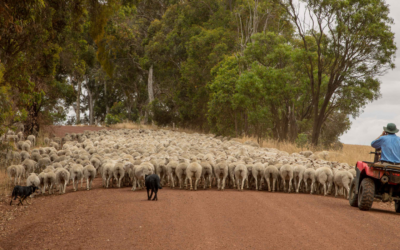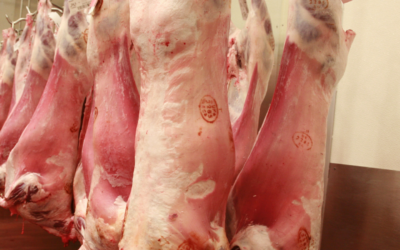

Previous Close Sheep Markets Summary Sheep and lamb markets showed mixed trends nationally, with stronger results in southern centres driven by quality and competition, while increased supply and store lamb pressure weighed on prices in parts of NSW and QLD. The...
Cattle Market Summary – 15 April 2026
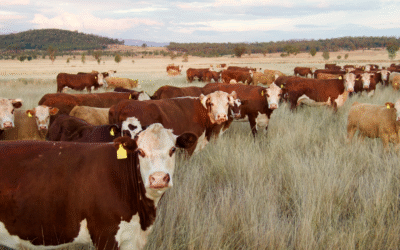
Previous Close Cattle Markets Summary Cattle markets trended softer across most regions, with a sharp rise in yardings and reduced buyer competition placing downward pressure on prices—particularly for secondary cattle, heifers, and cows. The trends appear to be:...
Cattle Market Summary – 14 April 2026
Previous Close Cattle Markets Summary Cattle markets showed mixed trends nationally, with increased yardings following dry conditions met by solid demand for quality and feeder stock, while secondary cattle and cows came under pressure in several centres. The trends...
Sheep Market Summary – 14 April 2026
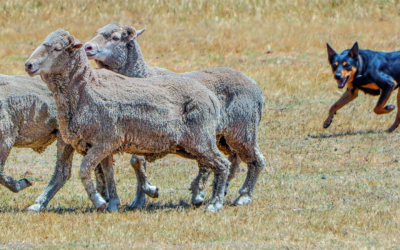
Previous Close Sheep Markets Summary Sheep and lamb markets showed mixed trends nationally, with large yardings creating price pressure in some centres, while strong competition for quality stock drove gains in others—highlighting a clear split between quality and...
Sheep Market Summary – 13 April 2026
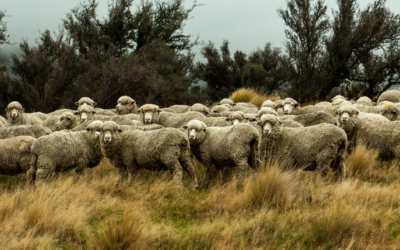
Previous Close Sheep Markets Summary Sheep and lamb markets showed generally firm to stronger trends, with increased yardings met by solid demand, particularly from restockers, lifting lamb prices in key centres while mutton held firm. The trends appear to be: Supply...
Cattle Market Summary – 13 April 2026
Previous Close Cattle Markets Summary Cattle markets showed mixed trends nationally, with strong demand for quality stock and feeders supporting prices in some centres, while restocker cattle and secondary lines came under pressure despite increased post-Easter...
SA flock contraction is influencing WA feeder lamb demand
Sheep and lamb markets are moving into the Easter period, with saleyard numbers expected to tighten and processing activity reduced across two shortened weeks. Beyond this short-term interruption, underlying supply dynamics are increasingly being shaped by structural...
WA Split Signals Intensify: Restocker Demand Lifts WA Closer to National Pricing
Western Australian sheep and lamb markets continue to diverge, with restocker demand driving a clear shift in price relationships relative to the national market. Latest indicators show WA trade lambs sitting at around 89% of the national price, while mutton remains...
Rain in the East, Tension in the Middle East: Two Forces Shaping Lamb Markets
Several emerging global and logistical signals are beginning to appear in sheep and lamb markets, even as pricing continues to push higher across much of Australia. Sheep and lamb markets across Australia remain firmly supported, with pricing continuing to track...
Middle East Conflict & Live Export Delays, Is the Lamb Market Under-pricing the Risk?
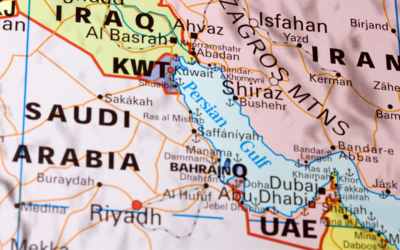
The ongoing conflict in the Middle East is introducing heightened uncertainty into Western Australian and national livestock markets, particularly around live sheep exports and air freight lamb programs. Operationally, the impact is already evident. A live export...
WA Lamb Supply: Is the Larger Turnoff Behind Us?
A review of seasonal lamb pricing over the past decade shows a consistent pattern. The early part of the year typically represents the heavier turnoff period, with supply tightening as autumn progresses into winter. Historically, pricing has tended to stabilise...
Western Australia’s Pricing Rebalance: Sheep Converge, Cattle Lag
Western Australia’s livestock pricing story currently reflects two distinct dynamics , a clear reset in sheep and lamb, and a persistent but narrowing discount in cattle. Three years ago, WA sheep markets experienced structural dislocation. Mutton traded at barely...